Инструменты доступности

Перейти к содержимому

Featured News

Advancing Standards, Strengthening Safety, and Building Forward Momentum

As we move beyond the first quarter of the year, it is an appropriate moment to reflect not only on where we began, but on the measurable progress we have made as a Society. The early months of this presidency were defined by urgency; an inflection point that demanded clarity of purpose, decisive leadership, and a recommitment to the foundational principles of safety, scientific rigor, and professional integrity in hyperbaric medicine.

What has followed is not simply continuation, but acceleration.

From a governance standpoint, the Society has strengthened its internal alignment. Committee activity has been re-energized with clearer mandates, improved communication pathways, and renewed expectations for deliverables that translate directly into operational and clinical impact. This is not theoretical work but rather structured, accountable, and increasingly visible across all UHMS domains.

A central pillar of this quarter and the past year has been safety reform. In the wake of recent fatalities associated with non-accredited hyperbaric operations, the Society has taken a firm and unequivocal position. We have made significant progress in eliminating the use of chambers that do not meet ASME-PVH standards. This has required coordinated engagement across multiple fronts: policy articulation, external communication, and collaboration with regulatory and accreditation bodies. The message is clear: hyperbaric oxygen treatment must be delivered within systems that meet established engineering and safety benchmarks. Anything less is unacceptable.

This initiative is not merely reactive. It is proactive standard-setting. We are working toward a landscape in which facility accreditation is not optional or aspirational but expected and enforced. The long-term objective is a unified safety framework that protects patients, providers, and the credibility of the field itself.

In parallel, we have continued to advance the Society's scientific and educational mission. Preparations for the upcoming Annual Scientific Meeting are well underway, and this year’s meeting represents a meaningful evolution. Our collaboration with the Aerospace Medical Association brings together two disciplines that share physiological foundations and operational challenges. The integration of these communities is expected to elevate the scientific discourse, broaden interdisciplinary engagement, and reinforce the UHMS as a central authority in pressure-related medicine.

The selection of Denver as the host city is fitting. It provides not only a geographic nexus but also a symbolic one, bridging altitude physiology, aerospace medicine, and hyperbaric science. The program is being designed with intention: high-yield scientific sessions, operationally relevant safety discussions, and forward-looking panels that address emerging indications and technologies. This will not be a passive meeting; it will be an active forum for shaping the next phase of our specialty.

Beyond meetings and policy, there has been continued progress in standardization efforts. Terminology, clinical frameworks, and educational materials are being refined to reflect a more precise and disciplined approach to our field. Language matters. It defines how we are perceived, how we train, and how we practice. Aligning around accurate terminology, such as the consistent use of “hyperbaric oxygen treatment”, is part of a broader effort to reinforce professionalism and clinical identity.

Importantly, the Society has also begun to reassert its role externally. Whether through engagement with hospital systems, academic institutions, or industry partners, there is a renewed presence and authority. We are not observers of the evolution of hyperbaric medicine; we are shaping it.

There is, however, no room for complacency. The work ahead remains substantial. Accreditation gaps persist. Variability in clinical practice continues. Emerging indications require disciplined evaluation. And the need for strong physician leadership in hyperbaric programs has never been more evident. What has changed is our posture. We are moving with intent.

The first quarter established the tone. The months since have demonstrated execution. As we look ahead, the focus remains clear: elevate standards, enforce safety, expand scientific contributions, and ensure that hyperbaric oxygen treatment is delivered with the rigor our patients and our profession demand. This is the trajectory of the Society. And we will continue to drive it forward.

At the upcoming Annual Scientific Meeting in May, I will conclude my term as president of the Society. I will move on to my new role as the immediate past president and pass the gavel to Sandra Wainwright. It has been a privilege to serve in this role during a period that demanded both urgency and resolve. I have the utmost confidence in Sandra’s leadership and her ability to carry this Society forward by continuing to elevate standards, strengthen safety, and advance the scientific and clinical mission of hyperbaric medicine. Our trajectory is clear, and it is in very capable hands.

Baromedical Nurses Association (BNA) 2026 Exciting New Happenings for the New Year!

The Baromedical Nurses Association is a team of dedicated nurses – like yourselves – that bring individual talents, experience, and ideas to this organization.  This results in an organization that works collectively, effectively, and efficiently towards our goals and accomplishments as we continue to integrate the nursing role into hyperbaric medicine practice alongside physicians and technicians, ensuring optimal outcomes for safe, effective patient careHow exciting this is in an organization! 

The communication between these experienced, dedicated nurses, with their backgrounds and ongoing dedication to knowledge, combined with the new member’s knowledge, enthusiasm, and questions, continues to advance safe, best-practice standards.  Additionally, the BNA maintains ongoing communication and interaction with the UHMS (Undersea and Hyperbaric Medical Society) and its Physicians and Associates, as well as the NBDHMT (National Board of Diving and Hyperbaric Medical Technology).

As we enter this new year of 2026, we have exciting news:

  1. Our first exciting news is the new Hyperbaric Nursing Textbook – Monica Skarban, editor! This will be the book you will want to add to your unit library for best practice and up-to-date information!
  2. Our second exciting news is that the BNA website is being updated!
  3. The BNA Board of Directors has been very active on many recent issues in the hyperbaric industry and will continue to work together professionally to ensure safe, best-practice care for our patients.
  4. Hyperbaric Nurses Day will be coming soon! Check out the April dates and educational topics, as well as the many continuing education opportunities on the BNA website! These educational topics are available to nurses, physicians, and technicians, and are free to BNA members and at a nominal fee for non-BNA members.
  5. The BNA is excited to have LVN/LPN membership in the BNA. This group of nurses is a welcome addition, thanks to their dedication, enthusiasm, and contributions.
  6. The BNA Bylaws and Guidelines of Nursing Care for the Patient Receiving Hyperbaric Oxygen Therapy are continually reviewed and updated as needed.
  7. The BNA Certification Board holds quarterly meetings to discuss certification issues and is governed by its own set of Bylaws.
  8. Nursing research is happening!
  9. Nursing presentations are being prepared for the Aerospace Medical Association (AsMA) and Undersea and Hyperbaric Medical Society meeting in May 2026. Also, visit the BNA table in the Exhibit Hall! What an exciting opportunity for you to learn more about the BNA and to participate in the many opportunities the BNA has to offer!
  1. The BNA Annual Meeting (see Meeting Schedules) is open to all interested nurses attending this conference.  This is a great time to meet and learn more about our organization, including opportunities to serve on the Board, chair or serve on the many committees, make a difference, and enhance your own hyperbaric nursing experience.   
  2. One of the best benefits of attending the annual AsMA, UHMS, and BNA meetings is the friendships that are developed.  These are priceless! 

Celebrating Our Profession

May is designated Hyperbaric Awareness Month. This initiative’s goal is to increase awareness about the specific conditions treated with hyperbaric oxygen provided by appropriately educated and credentialled professionals. Too often, members of the healthcare team are unaware of this potentially life-saving treatment.

Each year, the Baromedical Nurses Association celebrates the nurses working in our specialty with a BNA Day. Experts provide education relevant to our practices during this day-long conference that qualify for continuing education credits, important to maintaining certification. In 2026, BNA Day is April 25. Although the BNA is a nurse-centric organization, technologists are invited to attend as recognized integral members of the hyperbaric team. Physicians and scientists also participate in BNA Day, presenting valuable lectures.

Achieving certifications is often seen as a milestone—proof that someone has mastered a specific body of knowledge or skill set. But beyond the credential itself, celebrating professional certification can have powerful personal, organizational, and cultural benefits. Recognizing these achievements isn’t just symbolic; research shows that acknowledgment of accomplishments plays a critical role in motivation, engagement, and performance. Employees who feel adequately recognized are more engaged and less likely to leave their organization (Gallup, 2016).

By publicly celebrating achievements, we acknowledge the effort required, the significant time invested, and the discipline needed to reach professional goals. Studies show that recognition enhances self-esteem and confidence, helping individuals internalize their achievements and build a stronger professional identity (HR Cloud, n.d.).

The value of lifelong learning improves our work abilities. Research shows how a learning culture can have a ripple effect across teams and organizations. Celebrating certifications and other professional development advancements fosters a strong professional identity.

In an environment where safety is of utmost concern, achievements in hyperbaric nursing and technology must be supported, mentored, and recognized. We matter to ourselves, our teams, our hyperbaric and dive medicine communities!

As a side note in support of our community: The Annual USC Catalina Island hyperbaric chamber is celebrating its “Chamber Day & Chamber Eve” on May 6, 2026. They operate 365 days a year to treat diving accidents. Many thanks to this wonderful team!

References

Gallup. (2016). Employee recognition: Low cost, high impact.https://www.gallup.com/workplace/236441/employee-recognition-low-cost-high-impact.aspx

HR Cloud. (n.d.). The science of recognition: How employee awards impact mental health and productivity.https://www.hrcloud.com/blog/the-science-of-recognition-how-employee-awards-impact-mental-health-and-productivity

Zhang, Y., et al. (2023). The impact of workplace recognition on motivation and performance. National Institutes of Health.https://pmc.ncbi.nlm.nih.gov/articles/PMC11717283/

Executive Director's Report: 1st Qtr 2026

Dear UHMS Governance Team, Council Members, Committee Chairs, Chapter Leaders, and Members,

As we welcome 2026, I want to extend my warmest wishes to each of you and your families for a healthy, fulfilling, and prosperous New Year. Please accept this message as a virtual toast to your health, your professional success, and to the continued advancement of undersea and hyperbaric medicine in the year ahead.

In many ways, 2025 rivaled any other year in its sheer chaos. Now, if you were lucky enough to miss the crazy train that included new Darwin award winners, the tragic death of an innocent child at the hands of those who were entrusted with his care, and the impact of increased Federal budget spending limits, count your blessings.  

As I reflected on our success over the past 364 days of 2025, I looked to my four notes in Pressure to gain perspective on managing the landscape in front of us, and there was one unified message:

  • Mission clarity matters. The adoption of UHMS's Vision, Values, and Mission (VVM) sharpened our strategic focus and reinforced patient safety, scientific rigor, education, and accreditation as our north stars.
  • Safety is non-negotiable. The tragic chamber fires in 2025 underscored the importance of standards, codes, training, and accreditation; they are not optional.
  • Accreditation is the clearest signal of trust. UHMS Hyperbaric Facility Accreditation continues to stand as the gold standard for safe, evidence-based hyperbaric care.
  • Momentum is building. From education and research to advocacy and global visibility, UHMS is leaning forward with purpose.

Similarly, in reviewing my reports to our Board over the past year, we really focused on UHMS's core mission areas, including the following.

  • PATH, certification pathways, and life-long learning, supporting workforce competency and professional development.
  • Accreditation, safety, and standards, including enhanced AHJ education following the Troy, MI incident.
  • Research, registries, and data-driven policy, advancing evidence and credibility.
  • Communications, education, and chapter engagement, ensuring UHMS remains visible, responsive, and relevant.

Each of these efforts continues to be guided by the same principles: advancing safe, ethical, and scientifically grounded hyperbaric care for the patients and communities we serve.

Thanks to your leadership and engagement, UHMS achieved meaningful progress this year, including:

  • A highly successful joint Annual Scientific Meeting with AsMA, welcoming nearly 1,800 attendees and setting the stage for future collaboration.
  • Strengthened hyperbaric facility accreditation awareness, with increased interest following national safety events.
  • Continued growth and maturation of the PATH program, expanding high-quality, competency-based training for physicians and non-physician providers.
  • Ongoing updates to UHMS guidelines, accreditation manuals, and educational offerings, ensuring alignment with best practices and emerging evidence.
  • Strong financial stewardship allowed the UHMS to reinvest in mission-driven initiatives.

Accreditation, Education, and External Engagement

Throughout 2025, I have used LinkedIn to engage publicly on UHMS-related matters, particularly around safety, accreditation, and standards. This included commentary on the new AMA policy recognizing the importance of accreditation, as well as broader discussions highlighting why independent, evidence-based accreditation protects patients and providers alike.

These conversations amplify UHMS's voice beyond our membership and help shape how regulators, payers, and the public understand hyperbaric medicine.

UHMS & AsMA: Stronger Together

Our partnership with the Aerospace Medical Association continues to deepen. The joint ASM is now firmly established as a flagship scientific meeting, and we are actively exploring future collaborations at the intersection of undersea and hyperbaric medicine, aerospace medicine, operational readiness, and human performance. This relationship positions both organizations to lead across domains, from sea to space.

Looking Ahead

2026 offers an opportunity to lead with clarity, collaborate with intention, and continue raising the bar for our specialty. UHMS is strongest when its members are informed, engaged, and united around purpose.

I will close with a thought that resonates and is often attributed to Peter Drucker: "The best way to predict the future is to create it."

UHMS is at the very tip of the spear in creating our future by executing the organization's vision and mission with discipline and intention.

Thank you for everything you do for UHMS and for the specialty of undersea and hyperbaric medicine.

Sincerely,
John Peters
Executive Director
Undersea and Hyperbaric Medical Society

Intentional Communications: Build Safety Into Daily Practice

Imagine that you are taking over command of a US Navy submarine. Not just any submarine, but you are about to command a nuclear missile submarine. The captain assigned to take over this submarine had been studying for more than a year and was scheduled to become the commander of a different submarine. The current captain of the Santa Fe had just quit. Morale on the Santa Fe was at an all-time low. The SantaFe ranked dead last in preparedness, safety, resignations, and almost any other measured category. With sea trials in just a few months, and his career in the balance, Captain David Marquet assumed command of this derelict submarine. He had little time to study this ship or its crew. His responsibility? Turn this ship around!

Recently, we have seen disasters in off-label hyperbaric chambers. An incident in Michigan claimed the life of a 5-year-old boy. Public and private hearings have allowed the Undersea and Hyperbaric Medical Society to highlight the dangers posed by unregulated hyperbaric facilities and spas, sometimes located in strip malls. Yet these accidents also highlight some of our own shortcomings: training, safety, maintenance, and communication skills.

As a result of these disasters, you may wish to change how your clinic operates; assign responsibility for certain tasks, enhance safety practices (such as five-minute team huddles every day), establish ‘maintenance Mondays,’ or cross-train your staff.

I suggest you start by changing the way you communicate in your clinic.  Intentional communication skills benefit staff, patients, family, and visitors to your clinic, who will see the difference. In the daily huddle, the hyperbaric technologist might start with: “We have three monoplace chambers. All are on line and functional. There are no safety concerns with the equipment. X, Y, Z company will be here in three weeks for annual maintenance. We have all the required parts. Today, we have four treatments in each chamber. I intend to treat these patients at 2.4 ATA for a total of 90 minutes of oxygen at pressure, with two air breaks per treatment. If there are any problems with the treatment or patient complications, I will report to Nurse Nancy and Dr. Alpha. Are there any questions?” This is intentional communication. “I intend” is much better than “I’d like to,” “We usually,” or some other request. This type of communication shows that the technologist is prioritizing items on the daily schedule and alerting the team to an upcoming potential disruption to treatments due to chamber maintenance. Everyone on the team knows what is occurring.

I have seen huddles that ended with, “Does anyone have anything to add?” The undercurrent unspoken emotion is, “Don’t say anything that might require some discussion.” In this situation, we frequently see a “leader-follower” leadership style. It goes like this: “You are the staff member. You need to do as I say. I just want the numbers to reflect well. Got it?”

I prefer seeing a clinic where decisions are made by all the staff in ways that enhance their roles in the clinic. When the staff members have skin in the game, many good things can happen in your clinic. This style of management is called “leader-leader.”

I was always surprised when our hospital administration came by for a visit. They really didn’t understand why a certain staffing pattern was required, what equipment was used, and how it was maintained. Another example of “leader-leader” communication occurs when you have visitors to your clinic. This can be a UHMS accreditation survey, a DNV or Joint Commission survey, or a visit by the hospital administration.

Every staff member who interacts with the visitors can: 1) Introduce themselves, 2) State their function in the clinic, 3) Welcome the visitor, and 4) offer to show them the equipment. This might look like: “Hello, my name is Kirt Cartwright. I’m a certified hyperbaric technologist. I operate the hyperbaric chambers and am responsible for the safety of our patients. Is there anything I can show you today?” In the thirty-seconds this takes, the visitor feels like they know you, have an idea of your job responsibilities, and observe that you like your job.

Captain Marquet immediately began learning about each of the sailors, their families, their job responsibilities, and how to improve morale and enhance safe operations. He was genuinely inquisitive. Early in training dives, he was following the procedural protocol in a maneuver. He commanded, “All ahead two-thirds.” The executive officer and chief of the boat echoed his order. Nothing happened. The helmsman was asked why he refused to follow orders. His response was, “Sir, the propulsion system on this sub does not have a two-thirds detent.” Why did the executive officer and chief of the boat repeat the command? They thought the captain had some new training that they didn’t have. As a “follower,” they were afraid to speak up because it might be seen as undermining the captain. Instead, through intentional communication, this event opened a way to enhance the sub’s safe operation.

Each person in our hyperbaric unit needs to become a “leader-leader.” Intentional communication is key to safe operation. The Santa Fe not only passed seaworthiness cruises but also became the leader of the US Navy submarine fleet. From last to first, from a leader with genuine inquisitiveness to sailors who cared about their jobs and the safety of the boat, the Santa Fe became an example of excellence.

I encourage each of you to read the book (Turn This Ship Around) and to find ways of implementing the “leader-leader” communication style in your department.

Now is the time that I wish each of you well in your future hyperbaric medicine careers. When I looked in the mirror this morning, I saw a little old man staring back at me. It’s time to let the little old man out of the mirror. I have resigned from duties on the UHMS Safety Committee. Best wishes to every one of you. It has been my pleasure to serve you and the Society.

Turn This Ship Around. Author: David Marquet. Publication date: May 16, 2013. ISBN-13: ‎ 978-1591846406. Available at any bookseller.

Passings

passings image

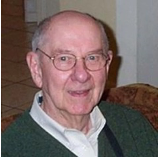
vanLDr. Hugh D. Van Liew, a prominent figure in respiratory and hyperbaric physiology research, died on December 24, 2025 at the age of 90, in Barnstable, Massachusetts. He was formerly a professor at the University at Buffalo. 

While he was known to have family in Seattle, WA, an obituary specifically for him in a Seattle publication was not found in the search results. Information regarding his life and survivors comes from obituaries for his wife, Judith Van Liew, who passed away in 2013. 

According to these records:

  • He was a professor in the Department of Physiology at the State University of New York at Buffalo.
  • He was a highly respected researcher, having authored or coauthored numerous research papers and receiving the Undersea & Hyperbaric Medical Society's processional award in 1994.
  • He and his wife were active in the Park School of Buffalo before moving to Massachusetts.
  • He was survived by three children, including a son, Gregory S. Van Liew, and his wife, Jennifer Kerns, of Seattle, WA.